
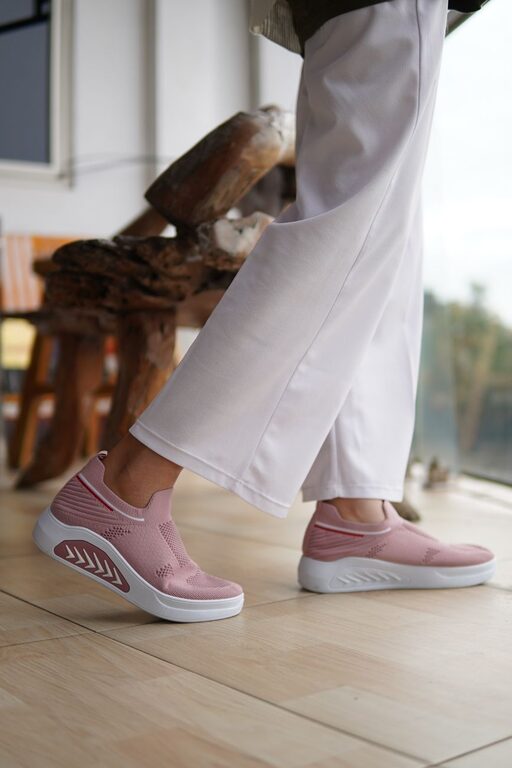
Walking is one of the simplest ways to stay active, whether you are commuting, running errands, exploring a neighborhood, or enjoying a weekend stroll. The right shoes can make these activities more comfortable and help you walk with confidence.
Comfortable walking shoes are not always the most expensive pair or the most popular style. The best choice depends on your feet, walking habits, preferred surfaces, and personal fit. Use the following tips to find a pair that feels good from the first step.
Start With Your Walking Needs
Before shopping, think about where and how you usually walk. Different walking routines call for different shoe features.
Consider your usual surfaces
For sidewalks, paved paths, and indoor floors, look for lightweight shoes with flexible soles and reliable traction. If you often walk on gravel, park paths, or uneven ground, a sturdier sole with a more textured tread may be helpful.
If you walk in wet weather, consider water-resistant materials and a sole designed to grip damp surfaces. However, keep in mind that highly water-resistant shoes may feel warmer or less breathable than lightweight mesh styles.
Think about distance and frequency
Someone who takes short walks may prefer a light, flexible shoe. If you walk for several hours each day, cushioning, support, and durable materials become more important.
Also consider whether you need one pair for several activities. A shoe for daily walking may be different from one designed for running, hiking, or work. Choosing a shoe for its intended use can improve comfort and help it last longer.
Look for a Comfortable Fit
Fit is one of the most important factors in choosing walking shoes. A well-made shoe will not feel comfortable if it is too tight, too loose, or shaped differently from your foot.
Shop at the right time of day
Feet can change size slightly throughout the day. Try on shoes in the afternoon or evening, when your feet may be closer to their usual walking size. If you wear specific socks for walking, bring them with you when trying on shoes.
Leave enough room at the toes
Your toes should be able to move comfortably without pressing against the front or sides of the shoe. There should generally be a small amount of space between your longest toe and the end of the shoe.
Avoid choosing shoes that feel tight with the expectation that they will stretch significantly. Some materials may soften, but a shoe that is too short or narrow is unlikely to become a good fit.
Check the heel and midfoot
The heel should feel secure without rubbing or slipping as you walk. The middle of the shoe should hold your foot comfortably without squeezing it.
Walk around the store or your home for several minutes. Try stairs, turns, and different walking speeds if possible. A shoe should feel comfortable during movement, not just while you are standing still.
Pay Attention to Shoe Construction
The shape and materials of a walking shoe affect how it feels and performs.
Choose useful cushioning
Cushioning can make hard surfaces feel more comfortable, but more cushioning is not always better. Some people prefer a soft, padded feel, while others like a firmer and more responsive sole.
Press gently on the midsole and walk in the shoes to see how they feel. Look for cushioning that feels comfortable without making the shoe unstable or difficult to control.
Check flexibility
A walking shoe should bend naturally near the front of the foot. It should not fold completely in half or feel stiff from heel to toe.
Test the shoe by gently bending it with your hands, then walk in it. The shoe should offer some flexibility while still providing a stable base.
Examine the sole
Look for a sole with enough grip for the surfaces you use most. A smooth sole may work well indoors but can feel less secure on wet or uneven paths.
A durable outsole can also help the shoes last longer, especially if you walk on rough pavement. Check for sturdy construction around the heel, toe, and areas that receive the most contact with the ground.
Choose Breathable, Practical Materials
Walking shoes can become uncomfortable if they trap heat or moisture. Mesh and other breathable fabrics often allow more airflow, making them useful for warm conditions or longer walks.
Leather and synthetic materials may offer more structure or resistance to light moisture. Some shoes combine these materials to balance breathability, durability, and support.
Think about your local climate and daily routine. A breathable shoe may be ideal for summer, while a more protective design may work better in cool or wet weather. If you need shoes for several seasons, look for a versatile style that is comfortable across common conditions.
Do Not Rely on Size Alone
Sizes can vary between brands and even between different models from the same brand. Use the printed size as a starting point, but judge the shoe by how it fits and feels.
Pay attention to the following details:
– Length from heel to toe
– Width across the toes and midfoot
– Heel security
– Space for your walking socks
– Comfort while standing and moving
– Pressure points or rubbing
If one foot is slightly larger than the other, choose a size and shape that comfortably fits the larger foot. Insoles or different lacing methods may help fine-tune the fit, but they should not be used to compensate for a shoe that is fundamentally too small.
Test the Lacing and Support
Laces can help you adjust the fit throughout the day. They should hold the shoe securely without creating uncomfortable pressure across the top of your foot.
Some walking shoes use elastic sections, hook-and-loop closures, or slip-on designs. These can be convenient, but make sure they keep your foot secure while walking. A shoe that is easy to put on is not useful if your heel slips or your foot moves inside it.
Try several lacing patterns if the shoe allows it. Small adjustments can improve the fit around the heel and midfoot.
Break In New Shoes Gradually
Even comfortable shoes may feel unfamiliar at first. Wear a new pair around the house or for short walks before using them for a long day.
During the first few uses, notice whether you feel rubbing, pressure, slipping, or unusual discomfort. Address these concerns early. Adjust the laces, try different socks, or return the shoes if they do not fit properly.
Do not wait for a shoe to become comfortable if it causes ongoing discomfort from the start. A good walking shoe should feel natural with minimal adjustment.
Compare Quality and Value
Price can provide clues about materials and construction, but it does not guarantee comfort. A less expensive shoe may suit your feet better than a premium model.
When comparing options, consider:
– The quality of the stitching and sole
– The durability of the materials
– The return or exchange policy
– The type of walking you do
– How often you expect to wear the shoes
It is often better to buy one well-fitting pair that matches your routine than to choose several pairs based only on appearance or discounts.
Know When to Replace Walking Shoes
Walking shoes gradually lose cushioning, grip, and structure. They may still look acceptable while no longer providing the same level of comfort.
Check for signs such as:
– Worn or uneven tread
– Flattened cushioning
– Cracks in the sole
– Loose stitching
– Persistent discomfort during normal walks
– A heel that leans or feels unstable
Replacement timing depends on the shoe, your walking habits, and the surfaces you use. Inspect your shoes regularly instead of relying only on a specific mileage or time period.
Final Tips for Choosing Well
The best walking shoes are the ones that fit your feet, match your routine, and feel comfortable during movement. Start by identifying your walking needs, then compare fit, cushioning, flexibility, traction, and materials.
Try shoes on with your usual socks, walk around before buying, and use the return policy if the fit changes once you have worn them at home. With a little attention to these details, you can find a dependable pair that makes daily walking more enjoyable.