
Finding a hobby you genuinely enjoy can make it easier to stay active, curious, and connected. The best hobbies do more than fill free time. They encourage movement, challenge your thinking, spark creativity, or give you a chance to connect with other people.
You do not need special talent or expensive equipment to get started. Many activities can be adapted to your space, schedule, and experience level. The key is to choose something that feels enjoyable rather than like another task on your to-do list.
Why Choose an Engaging Hobby?
A well-rounded hobby can involve both the mind and the body. For example, gardening requires planning and problem-solving while also keeping you moving. Dancing combines memory, rhythm, coordination, and exercise. Even a creative activity such as photography can encourage you to walk, observe your surroundings, and look at familiar places in new ways.
Hobbies can also add variety to a routine. Trying something different may help you avoid spending all your free time in front of a screen. Many activities offer opportunities to learn gradually, set personal goals, and celebrate small improvements.
When selecting a hobby, consider these questions:
– Do I prefer indoor or outdoor activities?
– Would I rather work alone or with a group?
– Do I enjoy creating, learning, moving, or collecting?
– How much time and space can I regularly set aside?
– Can I start with supplies I already have?
Gardening: Grow Something of Your Own
Gardening is a hands-on hobby that combines planning, patience, and physical activity. Whether you have a large yard, a balcony, or a sunny windowsill, you can grow herbs, flowers, vegetables, or houseplants.
The mental side of gardening includes choosing plants, preparing soil, organizing a growing space, and tracking changes over time. The physical side may include digging, lifting, watering, pruning, and walking around your garden.
To begin, start small with a few easy-care plants. A container garden can be a practical option for beginners or people with limited outdoor space. Keep a simple gardening journal to record planting dates, watering routines, and observations. This adds a learning element and helps you notice patterns as your plants develop.
Dancing: Move to Music
Dancing is an enjoyable way to combine movement, memory, rhythm, and self-expression. You can take a class, follow an online lesson, or simply play music and move at home.
Different styles offer different experiences. Ballroom dancing can provide a social setting, while hip-hop, jazz, or modern dance may encourage creativity. Line dancing offers structured steps and group participation. You can also create your own simple routines using favorite songs.
If you are new to dancing, begin with basic steps and focus on having fun rather than performing perfectly. Set aside a few songs for a short practice session. Over time, learning new patterns can challenge your memory and coordination while keeping your routine lively.
Photography: Explore the World Around You
Photography encourages you to notice details that are easy to overlook. A camera phone is enough to get started. You might photograph architecture, nature, food, pets, textures, or everyday moments.
This hobby engages the mind through composition, lighting, timing, and decision-making. It can also encourage movement when you take photo walks around your neighborhood, visit a park, or explore a new area.
Try giving yourself a weekly photography challenge, such as:
– Find five interesting shapes
– Photograph one color in different settings
– Capture changing light during the day
– Take pictures of small details
– Create a series based on a local place
Afterward, review your photos and choose a few favorites. Looking at your work can help you recognize your preferences and develop your own style.
Cooking: Learn Through Taste and Technique
Cooking is a practical hobby that engages the senses while building useful skills. It involves reading, measuring, timing, organizing, and making decisions. Preparing a meal also keeps you active as you move between work surfaces, appliances, and storage areas.
Choose one area to explore at a time. You might learn how to make fresh bread, prepare meals from different regions, create homemade sauces, or improve your knife skills. Cooking classes and recipe groups can add a social element.
A simple way to make cooking more engaging is to choose a theme for each week. Try a new ingredient, recreate a favorite restaurant dish, or prepare a meal using only items already in your kitchen. Keep notes about what worked so you can adjust recipes next time.
Hiking and Nature Walks: Combine Movement and Discovery
Walking outdoors can become a hobby when you turn it into an opportunity for exploration. Local parks, nature trails, and scenic neighborhoods can provide new routes and interesting sights.
Hiking encourages physical movement while also engaging your attention. You may notice birds, plants, weather changes, landmarks, or seasonal details. Bring a small notebook to record what you see, or use a guidebook to learn more about the area.
For a beginner-friendly approach, choose short routes with clear paths. Wear comfortable shoes, bring water, and check the weather before leaving. You can gradually explore longer trails or plan visits to different parks.
Puzzles and Strategy Games: Exercise Your Problem-Solving Skills
Puzzles and strategy games are engaging indoor hobbies that challenge concentration, memory, planning, and flexible thinking. Options include jigsaw puzzles, crosswords, logic games, chess, checkers, and modern tabletop games.
Choose a difficulty level that feels satisfying rather than frustrating. A puzzle can be a quiet solo activity, while board games provide a way to spend time with family or friends. Some games require quick decisions, while others reward patience and long-term planning.
You can create a regular puzzle night or keep a small puzzle available for short breaks. Completing a section, solving a clue, or learning a new strategy provides a clear sense of progress.
Crafting and Making: Turn Ideas Into Objects
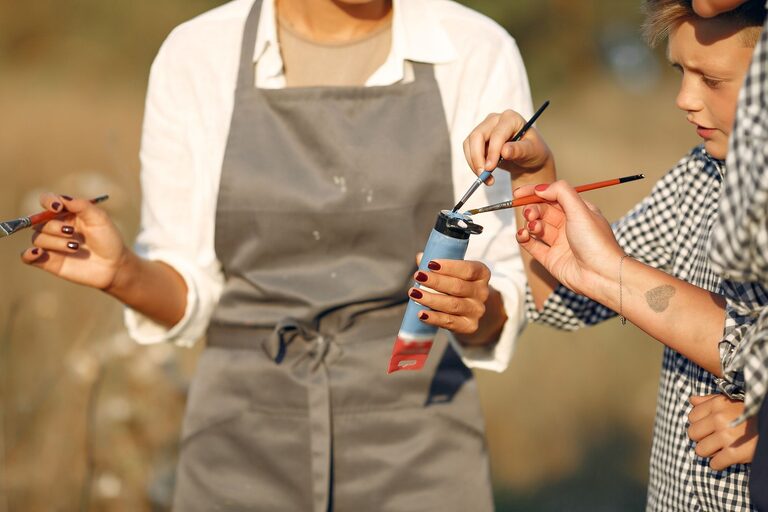
Crafting offers countless ways to use your hands and imagination. You might try knitting, woodworking, painting, pottery, model building, sewing, or paper crafts.
Making something from start to finish can be rewarding because it gives you a visible result. Crafting also teaches patience and attention to detail. Mistakes are often part of the process and can lead to new ideas.
Start with a beginner project that can be completed in a few sessions. Avoid buying every tool at once. Borrow supplies, use starter kits, or choose projects based on materials you already have. As your interest grows, you can explore more advanced techniques.
How to Make a Hobby Part of Your Routine
A hobby is easier to maintain when it fits naturally into your schedule. Begin with a small commitment, such as 15 or 20 minutes a few times per week. Choose a regular time and keep the necessary supplies easy to reach.
It can also help to focus on enjoyment instead of achievement. You do not need to compete, create perfect results, or master a skill quickly. Progress may simply mean showing up, trying something new, or discovering what you like.
If one hobby does not hold your interest, try another. The goal is to find activities that make you feel engaged and refreshed. With a little experimentation, you can build a collection of hobbies that support creativity, movement, learning, and connection throughout the year.