
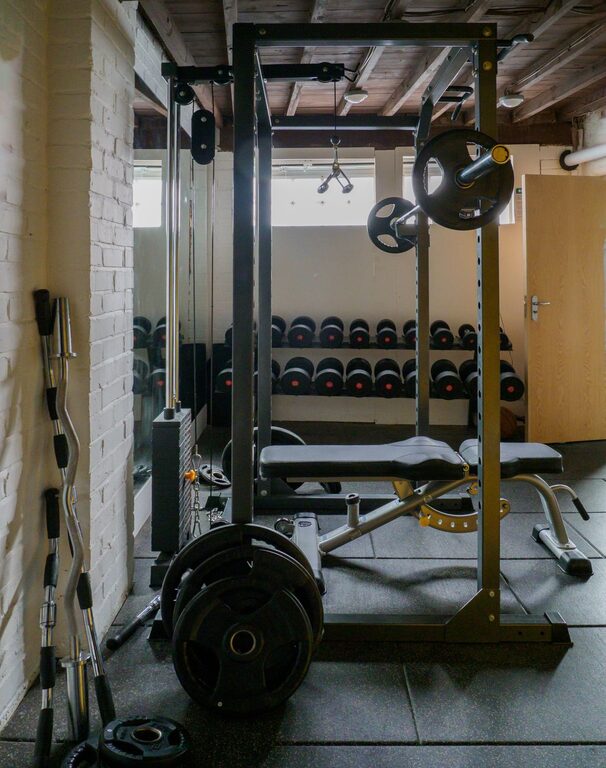
A home exercise space does not need to be large, expensive, or filled with specialized equipment. With a little planning, you can create a comfortable area that supports your routine and makes movement easier to fit into your day.
The best setup is one that feels safe, inviting, and practical. Whether you have a spare room, a corner of the living room, or a small outdoor area, these steps can help you build a space you will enjoy using.
Choose the Right Location
Start by identifying an area with enough room for the activities you plan to do. You should be able to stand, stretch, and move your arms without bumping into furniture, walls, or light fixtures.
A suitable location may include:
– A spare bedroom
– A section of a basement
– Part of a garage
– A living room corner
– A covered patio
– A clear area beside your bed or desk
Consider how often the space is used for other purposes. A workout area that must be cleared every time may become inconvenient. If possible, choose a location that can remain ready for exercise.
Check the Floor
The floor should be stable, clean, and free from clutter. Hard surfaces can work well for many activities, but they may feel uncomfortable during floor exercises. A fitness mat can add cushioning and help define the workout area.
Avoid loose rugs or slippery surfaces that can move under your feet. If you use a mat on a smooth floor, choose one with a nonslip backing or place it carefully so it stays flat.
Measure Your Available Space
Before buying equipment, measure the area. This simple step can prevent overcrowding and help you choose items that fit properly.
Leave enough space to:
– Stand with your feet apart
– Extend both arms
– Step forward and backward
– Lie down comfortably
– Move around equipment
– Store items without blocking walkways
Also look upward. Ceiling fans, hanging lights, shelves, and low beams can become obstacles during overhead movements. If your space is limited, focus on exercises that match the available room instead of trying to fit too much into it.
Keep Equipment Simple
You do not need a large collection of equipment to create a useful home exercise space. Begin with a few versatile items and add more only when you know they will support your routine.
Useful starter equipment may include:
– A workout mat
– Resistance bands
– A stable step or platform
– Light hand weights
– A jump rope, if space allows
– A foam roller
– A small storage basket
Choose equipment that matches your interests. If you enjoy bodyweight workouts, a mat and a little open space may be enough. If you prefer strength exercises, resistance bands and weights may be helpful. For stretching or balance work, comfort and stability should be priorities.
Inspect Equipment Regularly
Check equipment for signs of wear before using it. Look for cracked handles, stretched bands, loose fasteners, worn straps, or damaged mats. Replace items that no longer feel secure.
Store weights and other heavy items on a low, stable surface. Avoid stacking equipment where it could fall. Keep small items in a basket or container so they do not become tripping hazards.
Improve Lighting and Airflow
Good lighting makes the space more comfortable and helps you notice obstacles. Natural light is useful, but do not position your workout area where glare makes it difficult to see.
If the room is dim, add a lamp or overhead light that evenly illuminates the area. Make sure cords are secured along the wall and do not cross your movement path.
Fresh airflow can also make exercise more pleasant. Open a window when appropriate, use a fan safely, or choose a room with good ventilation. Keep fans and electrical devices away from water bottles, damp towels, and sweaty equipment.
Reduce Common Safety Risks
A safe exercise area begins with a clear floor and a few basic precautions. Before each session, take a quick look around the room.
Remove or secure:
– Loose rugs
– Toys
– Pet bowls
– Cables and chargers
– Low furniture
– Sharp-edged objects
– Unstable decorations
– Items stored above shoulder height
Keep doors, stairs, and exits easy to access. If you exercise in a garage or basement, check that the floor is dry and that the space has enough lighting.
Use equipment only as intended and follow the instructions provided by the manufacturer. Avoid placing heavy items on shelves that are not designed to hold them.
Create Convenient Storage
A tidy space is easier to use and safer to move around in. Choose storage that keeps equipment visible but out of the way.
Simple storage ideas include:
– A wall-mounted rack for resistance bands
– A basket for small accessories
– A shelf for towels and water bottles
– A vertical stand for mats
– A low cabinet for weights
– Hooks for jump ropes or straps
Do not overcrowd the walls or place storage above areas where you exercise. Equipment should be easy to reach without climbing, stretching awkwardly, or moving several other items first.
At the end of each session, return everything to its usual place. This small habit keeps the area ready for your next workout.
Make the Space Comfortable
Comfort can influence how often you use your home exercise area. Choose colors, textures, and details that make the room feel pleasant without creating distractions.
You might add:
– A mirror to check general positioning
– A clock or simple timer
– A speaker for music
– A towel
– A water bottle
– A small plant
– A whiteboard for workout notes
If you use a mirror, secure it properly and place it where it will not be struck by equipment. Keep electronic devices safely away from water and make sure charging cables are not on the floor.
Plan for Different Activities
If you enjoy more than one type of exercise, arrange the area so it can change easily. For example, keep a clear central space for movement and place equipment along one wall.
You can create separate zones for:
– Floor exercises and stretching
– Strength equipment
– Cardio activities
– Warmups and cooldowns
– Equipment storage
A flexible setup helps prevent the room from feeling crowded. It also makes it easier to switch activities without spending several minutes rearranging furniture.
Build a Routine You Enjoy
A well-designed space is helpful, but consistency comes from making exercise convenient and enjoyable. Keep your equipment visible, prepare clothing in advance, and choose a regular time that fits your schedule.
You can also create a simple playlist, follow a favorite class, or write down a few workout options for days when you have limited time. Having a short routine ready can make it easier to get started.
Try not to judge the space by how professional it looks. The goal is to create an area that supports regular movement and fits naturally into your home.
Review the Setup Over Time
Your needs may change as you use the space. After a few weeks, consider what works and what causes problems.
Ask yourself:
– Is there enough room to move comfortably?
– Do I use all the equipment I bought?
– Is anything difficult to store?
– Are there tripping hazards?
– Is the lighting comfortable?
– Do I enjoy spending time in the area?
Make small adjustments instead of replacing everything at once. Remove unused items, improve storage, or move equipment to create a clearer path.
A safe and enjoyable home exercise space is less about having the latest gear and more about thoughtful organization. With enough room, reliable equipment, good lighting, and a setup that suits your routine, you can create a practical place to stay active at home.