
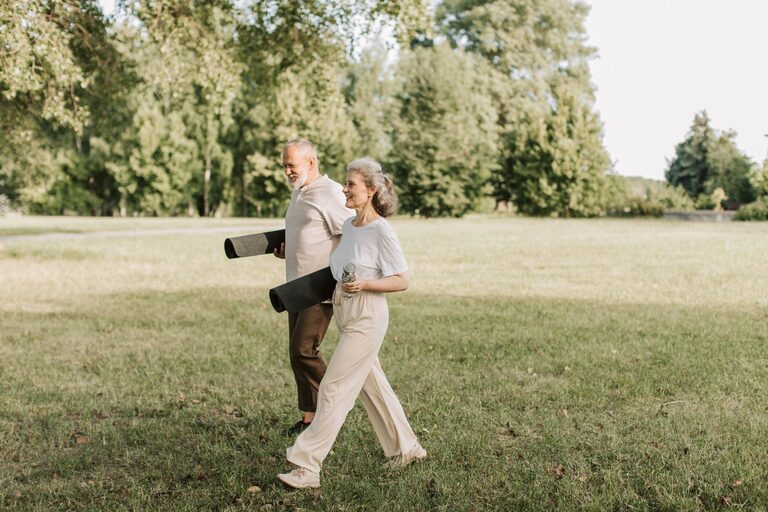
Staying active after 50 does not have to mean intense workouts or long hours at the gym. Many outdoor activities offer a gentle way to move your body, enjoy fresh air, and spend time in nature. Low-impact options are often easier on the joints while still helping you build endurance, balance, strength, and flexibility.
The best activity is one you enjoy and can do regularly. Whether you prefer a quiet garden, a local park, or a scenic trail, there are plenty of ways to stay active at a comfortable pace.
Why Choose Low-Impact Outdoor Activities?
Low-impact activities involve movements that place less stress on the joints than running or high-intensity sports. They can be adapted to different fitness levels and may fit easily into a weekly routine.
Outdoor movement also adds variety to your day. A walk through a green space, a morning of gardening, or a relaxed bike ride can feel more enjoyable than exercising indoors. Time outside may also encourage you to remain active longer because the activity feels like recreation rather than a chore.
When starting something new, begin gradually and pay attention to how your body feels. Choose comfortable clothing and supportive footwear, and adjust the length or pace as needed.
1. Walking in Your Neighborhood or Local Park
Walking is one of the simplest ways to stay active. It requires little equipment, can be done almost anywhere, and is easy to adjust to your preferred pace.
Try these ideas to make walking more interesting:
– Explore a different neighborhood each week.
– Walk through a local park or botanical garden.
– Invite a friend or family member to join you.
– Listen to music, an audiobook, or the sounds of nature.
– Break one longer walk into two shorter walks.
If you are returning to activity, start with a comfortable 10- to 15-minute walk. Over time, you can add a few minutes or choose a route with gentle slopes. Benches, rest areas, and looped paths can make outdoor walks more convenient.
2. Water Walking and Recreational Swimming
Water-based activities are gentle choices for people who enjoy being near a pool, lake, or beach. Water walking can be done in a shallow pool, where the water provides resistance while supporting body weight.
Recreational swimming is another flexible option. You do not need to swim long distances to benefit from moving in the water. Try slow laps, water walking, or simple movements in a class designed for adults.
For outdoor water activities, choose supervised locations when possible. Follow local safety rules, stay within areas suitable for your abilities, and avoid swimming alone.
3. Easy Cycling
Cycling can be a pleasant way to cover more ground while keeping impact relatively low. A relaxed ride on a paved trail, quiet street, or dedicated bike path lets you enjoy the scenery without needing to move at a fast pace.
Comfort is important. Consider a bike with an easy-to-use gear system, an upright riding position, and a seat that feels supportive. A helmet, reflective clothing, and front and rear lights can improve visibility.
Start with a flat route close to home. As you become more comfortable, you may enjoy longer rides, organized group outings, or trips along local greenways. An electric-assist bike can also help make hills and longer distances more manageable, provided you learn how to use it safely.
4. Gardening and Yard Work
Gardening combines light movement with a practical result. Digging, planting, watering, pruning, and carrying small containers can work different muscle groups throughout the day.
To make gardening more comfortable:
– Use raised beds or containers to reduce bending.
– Choose lightweight tools with comfortable handles.
– Alternate tasks so you are not repeating the same movement for too long.
– Sit on a sturdy garden stool when possible.
– Divide large projects into short sessions.
– Keep water nearby and take regular breaks.
Gardening also offers seasonal variety. In spring, you might prepare containers or plant herbs. In summer, watering and harvesting keep you moving. In fall, clearing leaves and preparing beds provide additional outdoor activity.
5. Golf and Walking-Based Games
Golf can provide several hours of gentle movement, especially when you walk part or all of the course. If a full course feels too demanding, try a shorter course, a driving range, or a putting green.
Other walking-based games can add a social element. Outdoor bowling, croquet, pickleball played at a relaxed pace, and casual lawn games may help you stay engaged while moving at a comfortable intensity.
Choose activities that match your current energy and skill level. Focus on smooth movement rather than competition, and take breaks between rounds or games.
6. Nature Trails and Easy Hiking
Nature walks and easy hikes offer a chance to stay active while enjoying trees, water, wildlife, and changing scenery. Look for well-maintained trails with clear signs, firm surfaces, and modest elevation changes.
Before setting out, check the route length and expected conditions. Bring water, a small snack, sun protection, and a charged phone. Walking poles may provide extra support on uneven ground, especially on trails with slopes or loose surfaces.
If you are new to hiking, choose a short loop near a visitor center or rest area. Going with a companion can make the experience more enjoyable and provide practical support if plans change.
How to Choose a Comfortable Trail
When comparing trails, consider:
– Surface type, such as pavement, gravel, or packed soil
– Distance and estimated walking time
– The number of hills or stairs
– Availability of benches and restrooms
– Weather and shade
– Cell service and parking access
7. Outdoor Stretching and Gentle Movement
A quiet outdoor space can be ideal for stretching, mobility exercises, or gentle yoga. A patio, lawn, or park area may provide enough room for simple movements such as shoulder rolls, ankle circles, standing side bends, and supported balance exercises.
Use a stable surface and move slowly. Avoid forcing a stretch or holding your breath. A short routine of five to 10 minutes can be a useful way to begin the day or cool down after a walk.
If you prefer guidance, look for outdoor classes offered by community centers, parks, or local recreation programs. Group classes can provide structure and make it easier to stay consistent.
Tips for Building a Regular Routine
A successful outdoor routine should be enjoyable, realistic, and flexible. Consider these simple habits:
– Schedule activities on specific days of the week.
– Keep a pair of walking shoes near the door.
– Invite a friend to create accountability.
– Check the weather before leaving.
– Carry water and use sun protection.
– Start with short sessions and add time gradually.
– Keep an indoor alternative available for poor weather.
It can also help to combine different activities. For example, walk on two days, garden on another day, and cycle or swim on the weekend. Variety keeps your routine interesting and allows different types of movement throughout the week.
Make Outdoor Activity Enjoyable
Staying active after 50 is not about pushing as hard as possible. It is about finding enjoyable ways to move regularly and remain connected to the world around you. Walking, cycling, gardening, swimming, hiking, and gentle outdoor classes can all become part of an active lifestyle.
Start with one activity that feels inviting. Set a manageable goal, bring along a friend if you like, and give yourself time to build a steady routine. With a little planning, outdoor movement can become a rewarding part of everyday life.