
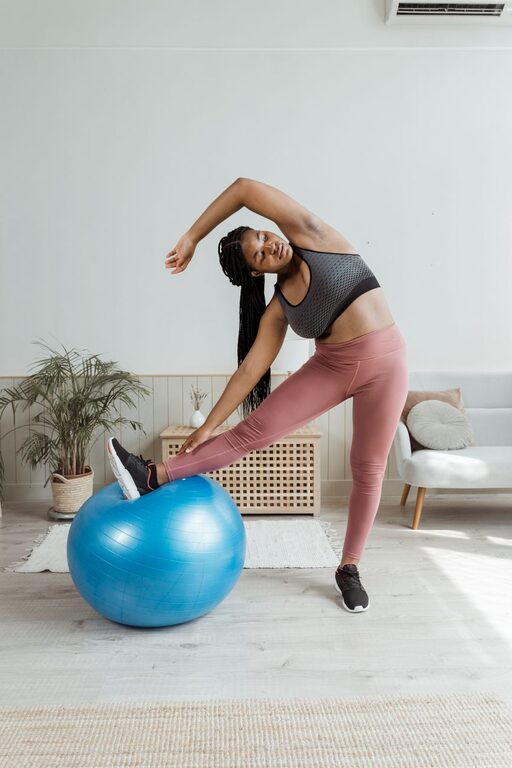
Improving balance and flexibility does not require a gym, special equipment, or a large amount of free time. With a few simple exercises and consistent practice, you can move more comfortably and feel steadier during everyday activities.
Balance exercises help you control your body while standing, walking, reaching, or changing direction. Flexibility exercises help your joints move through a comfortable range of motion. Together, they can support better posture, easier movement, and greater confidence in daily tasks.
Start With a Safe Space
Before exercising, choose a clear, well-lit area with enough room to move. Keep a sturdy chair, countertop, or wall nearby for support. Wear comfortable clothing and shoes that stay securely on your feet.
Begin each session slowly. Balance work should feel controlled, not rushed. Flexibility work should create a gentle stretch, not sharp pain. If an exercise feels uncomfortable, stop and try a simpler version.
A few minutes of preparation can make your routine safer and more enjoyable:
– Remove loose rugs, cords, and clutter.
– Use a stable surface for support.
– Keep water nearby.
– Avoid holding your breath.
– Focus on smooth, controlled movements.
Warm Up for Five Minutes
A short warm-up prepares your muscles and joints for movement. You do not need intense activity. The goal is simply to increase circulation and gently loosen your body.
Try these easy warm-up movements:
March in Place
Stand tall and slowly march in place for one to two minutes. Swing your arms naturally and keep your steps comfortable. If needed, hold the back of a chair with one hand.
Shoulder Rolls
Roll your shoulders forward in slow circles five times, then reverse the direction. Keep your neck relaxed and avoid lifting your shoulders toward your ears.
Ankle Circles
While standing with support or sitting in a chair, lift one foot slightly and make slow circles with your ankle. Complete five circles in each direction, then switch sides.
Gentle Side Steps
Step to the right and bring your feet together. Repeat to the left. Continue for 30 to 60 seconds, keeping your movements light and controlled.
Simple Balance Exercises
Practice balance exercises near a wall or sturdy piece of furniture. Begin with both feet on the floor and use support whenever necessary. As you become more comfortable, reduce your reliance on your hands.
Heel to Toe Walk
Stand tall and look forward. Place one foot directly in front of the other, as if walking along a straight line. Take five to ten slow steps, then turn carefully and repeat.
Keep your arms relaxed or extend them slightly to the sides. If this feels challenging, widen your stance and walk normally while focusing on steady steps.
Single Leg Stand
Stand behind a chair and hold it lightly. Shift your weight onto one foot and lift the other foot just a small distance from the floor. Hold for five to ten seconds, then lower your foot and switch sides.
Repeat two or three times per side. Over time, you can work toward holding the position longer. Keep your lifted foot close to the floor so you can place it down quickly if needed.
Sit to Stand
Sit near the front of a sturdy chair with your feet about hip-width apart. Lean forward slightly and stand up using your legs. Sit down slowly and repeat five to ten times.
Try not to drop into the chair. Lower yourself with control. This exercise supports leg strength and teaches your body to move steadily between sitting and standing.
Weight Shifts
Stand with your feet comfortably apart and hold a countertop if needed. Slowly shift your weight from side to side without lifting your feet. Then shift your weight forward and backward.
Keep your movements small at first. This exercise helps you become more aware of how your body responds when your weight changes.
Gentle Flexibility Exercises
Stretching works best when your muscles are warm. Move into each stretch gradually and hold it without bouncing. Breathe slowly and keep your face and shoulders relaxed.
Calf Stretch
Place both hands on a wall. Step one foot back and keep that heel on the floor. Bend your front knee slightly while keeping your back leg gently extended.
You should feel a mild stretch in the calf of the back leg. Hold for 15 to 30 seconds, then switch sides. Repeat once or twice.
Back of Thigh Stretch
Sit near the edge of a chair with one foot extended forward and the heel resting on the floor. Keep your back fairly straight and lean forward slightly from your hips.
Stop when you feel a gentle stretch along the back of your thigh. Hold for 15 to 30 seconds, then switch legs.
Hip Flexor Stretch
Stand beside a chair for support. Step one foot back and bend both knees slightly. Keep your upper body upright and gently move your hips forward.
You may feel a stretch at the front of the hip on the back leg. Hold briefly, then return to the starting position and switch sides.
Chest and Shoulder Stretch
Stand in a doorway or beside a wall. Place one forearm against the surface with your elbow about shoulder height. Slowly turn your body away until you feel a gentle stretch across your chest.
Hold for 15 to 30 seconds and repeat on the other side. Keep the movement easy and avoid forcing your shoulder backward.
Upper Back Stretch
Sit or stand with your arms extended in front of you. Clasp your hands or reach forward as if holding a large ball. Gently round your upper back while allowing your shoulders to move forward.
Hold for 15 to 20 seconds, then return to a relaxed position.
Build a Short Daily Routine
Consistency is more useful than occasional long workouts. Start with 10 to 15 minutes and increase gradually as the routine becomes comfortable.
A simple weekly plan might look like this:
– Daily: Five minutes of warm-up and gentle stretching.
– Three days a week: Add balance exercises for 10 minutes.
– Two or three days a week: Practice sit to stands and weight shifts.
– Once a week: Notice which movements feel easier and adjust your routine.
You can also include small movement breaks throughout the day. Stand up after sitting for a while, walk around your home, stretch your arms overhead, or practice a few heel raises while holding a counter.
Make Practice More Effective
Pay attention to quality rather than speed. Keep your movements slow enough that you can maintain good control. Look ahead during standing exercises instead of staring at your feet, unless you need to check your position.
Use relaxed breathing throughout the session. Exhale during the harder part of a movement, such as standing up, and inhale as you return to the starting position.
It can also help to track your progress. Write down how long you can hold a balance position, how many controlled sit to stands you can complete, or which stretches feel more comfortable. Small improvements can be encouraging.
Listen to Your Body
Some muscle effort and gentle stretching are normal. Sharp pain, sudden dizziness, unusual weakness, or loss of control are signs to stop. Rest and return to an easier movement when you feel ready.
If you have an ongoing injury, movement limitation, or concern about starting a new exercise routine, consider asking a qualified fitness professional for personalized guidance. The best home routine is one that feels safe, manageable, and easy to repeat.
With regular practice, simple balance and flexibility exercises can become a natural part of your day. Start with a few minutes, use support when needed, and focus on steady progress rather than perfection.