
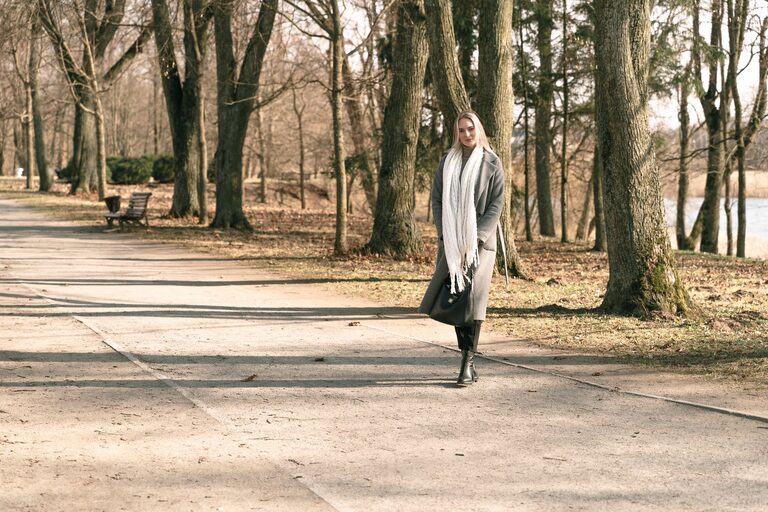
Walking is one of the simplest ways to spend more time outdoors and add movement to your day. However, a routine that feels pleasant in mild spring weather may be less enjoyable during a hot summer afternoon, a rainy fall morning, or a cold winter evening.
The key to walking in every season is not following one strict plan. It is creating a flexible routine that works with the weather, your schedule, and your comfort level. With a few thoughtful adjustments, you can keep walking enjoyable throughout the year.
Start With a Routine That Fits Your Life
A comfortable walking habit begins with a realistic schedule. Choose a time of day when you are most likely to follow through. Some people prefer a morning walk before work, while others enjoy a midday break or an evening stroll.
Start with a manageable amount of time rather than setting an ambitious goal. A 10- or 15-minute walk can be a useful starting point. Once walking becomes a regular part of your day, you can gradually make your walks longer or more frequent.
Consider these simple ways to build consistency:
– Choose two or three regular walking times each week.
– Keep a backup time available in case your schedule changes.
– Walk familiar routes when you want a simple, low-effort outing.
– Add variety with parks, neighborhoods, trails, or shopping areas.
– Use indoor locations when outdoor conditions are unpleasant.
A flexible routine is easier to maintain than one that depends on perfect weather or a completely open schedule.
Dress for the Season
The right clothing can make a major difference in how comfortable you feel. Instead of choosing one heavy layer or one light outfit, think in terms of clothing that can be adjusted as conditions change.
Spring and Fall
Spring and fall often bring changing temperatures, wind, and occasional rain. Dress in light layers so you can add or remove clothing during your walk.
Helpful choices include:
– A breathable shirt as a base layer
– A light sweater or fleece layer
– A water-resistant jacket
– Comfortable socks that help manage moisture
– Shoes with good traction for wet or uneven paths
A compact rain jacket can be useful during seasons when showers appear with little warning. You may also want a hat with a brim to keep light rain away from your face.
Summer
Warm weather calls for lightweight, breathable clothing. Choose fabrics that allow air to circulate and avoid wearing too many layers. A hat or visor can provide shade, while sunglasses may make bright walks more comfortable.
Try to schedule summer walks during cooler parts of the day, such as early morning or evening. If the forecast is especially hot, shorten your route or choose an indoor location. Carry water when appropriate, especially if you will be walking for an extended period.
Winter
Cold weather does not have to stop your routine, but it does require planning. Wear several light layers rather than one bulky item. This makes it easier to adjust as your body warms up.
Warm socks, gloves, and a hat can help you stay comfortable. On icy or snowy routes, choose footwear with dependable traction and slow your pace. If sidewalks are slippery, consider walking indoors instead of taking unnecessary risks.
Choose Comfortable Routes
Your route can affect your experience as much as the weather. Look for paths that match your comfort level, energy, and footwear.
For a regular walk, consider routes with:
– Even sidewalks or well-maintained paths
– Benches or places to pause
– Shade during warm weather
– Lighting during darker hours
– Safe crossings and manageable traffic
– Nearby indoor locations in case conditions change
You do not need to use the same route every time. Create a few options for different seasons and weather conditions. A shaded loop may work well in summer, while a sunny route may feel more comfortable in winter.
If you are walking in an unfamiliar area, review the route before leaving. Check its distance, surface, and available facilities. A little planning can help you avoid surprises.
Adjust Your Pace and Distance
Comfort should guide your pace. A walk does not need to feel like a workout every time. Some days may be ideal for a brisk walk, while other days may call for a slower pace and a shorter route.
Pay attention to how you feel during and after the walk. If you are uncomfortable, unusually tired, or struggling with the conditions, reduce your pace or head home. A shorter walk is still a successful walk.
You can also divide your routine into smaller sessions. For example, take a 10-minute walk in the morning and another 10-minute walk later in the day. Short walks can fit into busy schedules and may feel easier during extreme weather.
Prepare for Changing Conditions
Before heading outside, take a moment to check the forecast. Look beyond the temperature and consider wind, rain, snow, sunlight, and visibility.
A quick preparation checklist might include:
– Checking the current weather and expected changes
– Bringing a light layer or rain jacket
– Wearing reflective clothing during low-light hours
– Taking water when needed
– Carrying a phone or another way to contact someone
– Letting someone know your route for longer walks
You do not need to cancel a walk every time the forecast is imperfect. Instead, decide what adjustments would make the walk reasonable. You might leave earlier, choose a shorter route, or move the walk indoors.
Make Walking More Enjoyable
Enjoyment is an important part of long-term consistency. Add simple features that give you a reason to look forward to your walk.
You might listen to music, an audiobook, or a podcast, as long as you remain aware of your surroundings. Walking with a friend can add conversation and accountability. A family walk after dinner can also turn the routine into shared time.
Other ideas include:
– Exploring a new neighborhood once a month
– Taking nature photos along your route
– Walking to complete a small errand
– Creating a seasonal playlist
– Noticing changes in trees, gardens, or local scenery
– Setting a simple weekly walking target
Keep safety in mind when using headphones or a phone. Use a volume that allows you to hear nearby traffic and other people.
Have an Indoor Backup Plan
An indoor option makes it easier to stay consistent when outdoor conditions are uncomfortable. Shopping centers, community buildings, gyms, and large indoor spaces may offer room for walking, depending on local access and rules.
You can also walk through your home, climb stairs carefully, or follow a beginner-friendly indoor walking video. The goal is not to copy your outdoor route perfectly. It is simply to maintain the habit when rain, extreme temperatures, poor visibility, or unsafe surfaces make outdoor walking less appealing.
Review Your Routine Each Season
Every few months, take a few minutes to review what is working. Notice which times, routes, clothing choices, and activities make walking feel comfortable.
Ask yourself:
– Which season-specific challenges have appeared?
– What clothing or equipment would make walks easier?
– Are my routes still enjoyable and suitable?
– Would a different time of day work better?
– What indoor options can I use when needed?
Small changes can keep your routine practical and enjoyable. Rather than waiting for the perfect conditions, plan for ordinary seasonal changes and adjust as you go.
A comfortable walking routine is built on flexibility. By choosing realistic times, dressing for the weather, selecting suitable routes, and keeping an indoor backup plan, you can make walking a dependable part of your year.